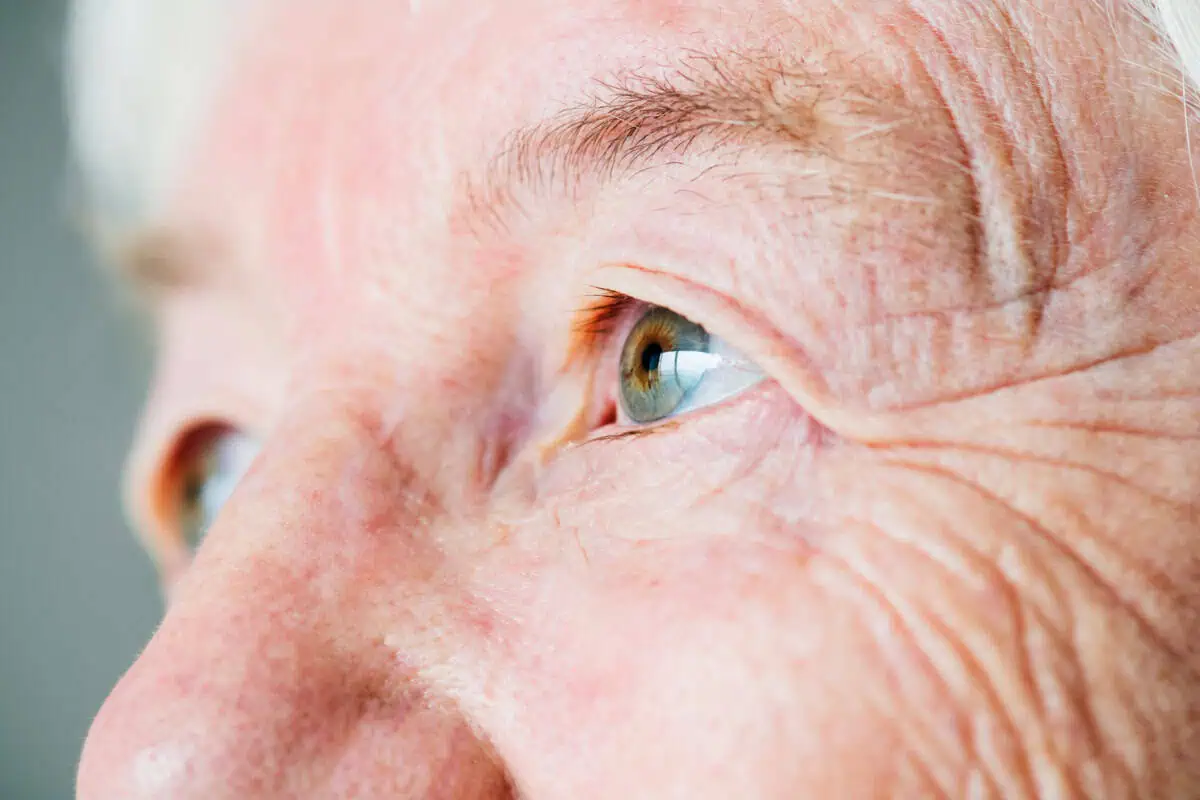
Put simply, a cataract (cataracta) is a clouding of the eye's lens. As a result, less and less light passes clearly through to the retina, and vision gradually deteriorates: a "foggy", hazy image, glare in bright light, halos around lights at night and needing new glasses more often are the typical complaints. The good news is that cataract can be treated with one of the most frequently performed and most successful operations in the world: the cloudy natural lens is replaced with a clear artificial lens (intraocular lens, IOL).
In this article, we take a practical yet informative look at when to consider surgery, what the assessment and the procedure involve, which types of artificial lens are available, what risks and realistic expectations to bear in mind, and what happens after surgery.
What is a cataract and why does it develop?
A Normally, the lens is a completely clear, flexible "optical element"whose job is to focus incoming light precisely on the retina. This is what allows us to see our surroundings sharply at different distances. With a cataract, however, gradual structural changes begin in the lens: proteins rearrange and clump together, so the lens loses its clarity and becomes increasingly hazy and opaque . This does not happen overnight but develops slowly, often over years, so the loss of vision may go unnoticed at first.
The most common form is age-related cataract, which is part of the eye's natural ageing process. Just as the skin loses its elasticity and joints wear, the lens also changes over the years. As a result, the risk of cataract rises steadily with age, especially after 60. It is important to stress, however, that cataract is not only a disease of old age: certain factors can significantly speed up its development.
One such risk factor is diabetes, which changes the eye's metabolism and can promote clouding of the lens. Smoking is also a significant risk factor, as harmful substances in tobacco smoke increase oxidative stress, which can damage the lens. A similar effect comes from prolonged, unprotected UV exposure: years of sun exposure, especially without proper sunglasses, has been shown to contribute to cataracts appearing earlier.
Another important factor is long-term steroid use, whether as eye drops or tablets. These medicines are essential in some cases, but in the long term they can increase the likelihood of cataract. Previous eye injuries, eye surgery or inflammatory eye diseases can also be predisposing factors, as they can change the environment inside the eye and the stability of the lens. In some cases, a genetic, inherited predisposition may also play a role, causing cataract to appear at a younger age.
Important: a cataract cannot be removedwith "drops" or eye exercises. Loss of vision can be compensated for temporarily with glasses, better lighting and more contrast, but the definitive treatment is surgery, in which the cloudy lens is removed and replaced with an artificial lens.
Which symptoms should make you suspicious?
Cataract is insidious: for a long time your vision is "just a little worse", and then one day you notice that in certain situations it has become troublesome.
Tipikus panaszok:
- blurred, foggy vision, as if looking through a dirty window,
- sensitivity to light, glare,
- more difficulty driving at night (oncoming headlights "scatter"),
- duller colours, reduced contrast,
- needing new glasses frequently,
If these symptoms cause problems in everyday life (driving, work, reading, using stairs, sport), it is worth having an eye examination.
When is cataract surgery justified?
In modern ophthalmology, the decision is no longer (only) about how "ripe" the cataract is, but about how much the loss of vision affects quality of life and safety. Many guidelines and patient information leaflets stress that the timing of surgery is determined by the symptoms, visual function and the condition of the eye taken together.
Practical signs that surgery is often considered:
- loss of vision gets in the way of work or everyday activities,
- troublesome glare or halos make driving less safe,
- glasses no longer provide adequate correction,
- the cataract makes it harder to examine or treat the retina (e.g. during check-ups of the back of the eye for diabetes).
Myth: "You have to wait until it is fully ripe."
With today's techniques, this is generally not true: the aim is not for the patient to "wait it out" until their vision is very poor; the decision is more about function. A major factor here is the development of modern ophthalmic technology: high-precision biometric measurements, advanced imaging and ultrasound phacoemulsification (removing the cloudy lens after breaking it up with ultrasound vibrations) make it possible to remove cataracts at an earlier stage, with less strain on the eye and greater safety. With modern surgical equipment and personalised lens planning, the aim today is not only to remove the cloudy lens but also to optimise the quality of vision , which justifies the procedure even when the loss of vision "only" reduces everyday comfort rather than making daily life impossible.
What does the assessment before cataract surgery involve?
The pre-operative assessment has two main aims:
- Safety: Is there anything that could affect how the surgery goes or the level of risk?
- Planning: Which power and type of artificial lens is best for this eye and lifestyle?
A Cataract surgery is always preceded by a thorough, multi-step eye assessments designed to make the procedure safe and achieve the best possible vision afterwards. The doctor checks how sharply the patient can see and the extent of any refractive error, that is, whether glasses would be needed. A slit-lamp examination gives a detailed view of the front of the eye, especially the lens, to get an accurate picture of the type and stage of the cataract.
The tests also include checking eye pressure , which is important for ruling out or detecting glaucoma. If the cataract is not yet too dense, the back of the eye is also examinedto check the condition of the retina and optic nerve. Of particular importance is biometry: the axial length of the eye and the curvature of the cornea are measured, and these figures are used to calculate the exact power of the lens to be implanted.
If necessary, further targeted tests may be carried out, such as an OCT scan of the macula, which helps detect retinal changes that could affect how much vision improves after surgery. This comprehensive assessment ensures that the surgery is truly personalised and that the patient goes into the procedure well prepared and with realistic expectations.
The key to the pre-operative discussion: target refraction (what the eye should be "set" for): for example, should the aim be seeing at a distance without glasses, or close up? The latest European guidelines also stress that the desired refractive target must be agreed with the patient.
The essence of the operation: removing the cataract
The most commonly used procedure today is phacoemulsificatio, in which the surgeon uses ultrasound energy to break up and remove the clouded natural lens through a tiny incision of just a few millimetres. A foldable, clear artificial lens is then implanted in the lens capsule, where it unfolds by itself and settles securely in place. Thanks to the small incision, the wound usually closes without stitches, meaning faster healing and less surgical strain.
Besides phacoemulsification, there are other procedures, although these are used less often today. One example is extracapsular cataract extraction (ECCE), in which the lens is removed in one piece through a larger incision and an artificial lens is then implanted; this is typically used only for very advanced, hard cataracts. Some clinics also offer femtosecond laser-assisted cataract surgery , in which certain steps, such as opening the lens capsule, are performed with a laser, further increasing precision. Which method is most suitable always depends on the condition of the eye, the type of cataract and the patient's individual characteristics.
What does the patient feel?
The procedure is usually done under local anaesthetic (drops, sometimes an injection); the patient is awake but typically feels no pain, rather pressure, a sensation of water and lights. The operation is usually short and is often done as a day case.
What happens to your own lens?
The cloudy part of your own lens is removed and a clear artificial lens takes over its role. This implant stays inside the eye.
Choosing a lens: monofocal, toric, multifocal, EDOF
Choosing the artificial lens (IOL) is now one of the most important parts of cataract surgery, because the type of lens determines at which distances you will see without glasses.
Monofocal intraocular lens
A monofocal lens gives a single focus: it is usually set for distance, and reading glasses are needed for close work. For many patients, this is the most predictable and reliable solution with the "cleanest" image quality.
Toric (astigmatism-correcting) lens
If corneal astigmatism ( an irregularly curved cornea ) is more pronounced, a special toric lens (IOL) can help. This type of lens reduces the cylinder power caused by astigmatism, giving sharper, less distorted vision after surgery. A toric lens basically works on the monofocal principle, providing sharp vision at one main distance, most often distance vision, with astigmatism correction added on top.
Multifocal and EDOF (extended depth of focus) lenses
These aim to increase independence from glasses (at distance, intermediate and near). However, they may involve compromises:
- more halos,
- reduced contrast,
- and troublesome night-time visual effects in some patients.
An important clinical point: with certain eye diseases, a multifocal or EDOF lens is not always ideal, and several patient information leaflets urge caution on this.
It is worth knowing that "premium" lenses (toric, multifocal, EDOF) usually cost more, with less dependence on glasses as the potential benefit. When deciding, the condition of the eye and your lifestyle (night driving, screen work, precise close work) are at least as important as the price.
Femtosecond "laser" cataract surgery
You often hear the term "laser cataract surgery", which may suggest to many people that the whole procedure is done with a laser. In reality, it means that certain preparatory steps of the operation, such as opening the lens capsule, are assisted by a femtosecond laser with great precision. Removing the cataract itself and implanting the new lens, however, are still surgical proceduresperformed by the surgeon with special surgical instruments.
What is worth remembering?
The right question is not whether it is "laser", but:
- how experienced the surgeon is,
- how good the assessment is,
- which lens and target refraction are chosen,
- how risks and aftercare are managed.
The ESCRS guidelines are also built around a safe patient pathway, agreeing the target refraction and preventing complications.
Risks of cataract surgery
Cataract surgery is usually very successful, but, as with any procedure, there are possible complications.
Possible complications:
- infection (rare but serious: endophthalmitis),
- inflammation, bleeding,
- retinal detachment,
- displacement of the artificial lens,
- a temporary rise in eye pressure,
- problems with quality of vision (glare, halos), mainly with certain lenses,
- months or years later: posterior capsule opacification (PCO), which is treated with YAG laser capsulotomy.
The The ESCRS (European Society of Cataract and Refractive Surgeons) places particular importance on preventing post-operative infections, especially endophthalmitis . Several large international studies have looked at how antibiotics given directly into the eye at the end of surgery (intracameralis) can significantly reduce the risk of serious infection. This practice is now an important part of safe cataract surgery at many eye centres.
After cataract surgery: recovery, drops, check-ups
After cataract surgery, most patients notice an improvement in vision within a few hours or days , but it is important to know that final visual acuity does not develop immediately. The eye needs time to adapt to the new lens, for any post-operative swelling to go down and for healing to be completed. As a result, vision may fluctuate in the first few weeks: on some days it may seem sharper, on others slightly blurrier, which is usually completely normal.
An important part of the post-operative period is aftercare, which aims to prevent inflammation, reduce the risk of infection and support healing. As part of this, you need to use the anti-inflammatory and, if necessary, antibiotic eye drops prescribed by your doctor, usually for several weeks with a gradually decreasing dose. Using the drops exactly as directed is crucial, as they contribute significantly to a complication-free recovery.
A Check-ups are also essential during recovery. The first is usually the day after surgery, followed by further check-ups at times set by your doctor. These check the healing of the eye, eye pressure, the position of the lens and how your vision is developing. Regular check-ups also make it possible to spot and treat any problems in time, ensuring the best possible long-term result.
Common, normal effects in the first few days:
- a mild feeling that something is in the eye, watering,
- mild sensitivity to light,
- fluctuating sharpness.
When should you see a doctor immediately?
See a doctor as soon as possible if you have:
- severe pain,
- sudden loss of vision,
- significant redness,
- discharge,
- a "curtain-like shadow",
- or flashes or significantly worsening floaters.
These cases need an urgent check-up to rule out infection. NHS information also stresses that certain complications can appear immediately or later, so symptoms must be taken seriously.
Realistic expectations: what surgery can and cannot do
What cataract surgery can do:
- remove the cloudiness caused by the cataract
- improve the passage of light
- often significantly improve distance vision (especially with a monofocal lens set for distance)
Limits to the success of surgery:
- If the loss of vision is partly due to another eye disease (e.g. macular degeneration, diabetic retinopathy), the improvement may be limited.
- Your need for glasses may not drop to zero after surgery (with a monofocal lens in particular, reading glasses are often needed for close work).
- With multifocal or EDOF lenses, how well you tolerate halos and night-time effects varies from person to person.
The best strategy for avoiding disappointment: setting honest goals (what you want to see without glasses) and discussing with a specialist how far the condition of your eye supports this.
Market overview: what makes cataract surgery more expensive or "premium"?
The quality of cataract surgery and satisfaction afterwards depend on several closely related factors. One of the most important is the choice of lenses and the degree of personalisation. It matters whether the patient receives a monofocal, toric, multifocal or extended depth of focus (EDOF) lens, as these reduce the need for glasses to different degrees. This also includes treating astigmatism, and how carefully the target refraction is planned, that is, deciding at which distance the patient most wants to see sharply after surgery.
Just as important is the standard of diagnostics. Accurate biometric measurements and modern additional tests, such as OCT mapping of the retina, allow the doctor to detect not only the cataract but also any other eye conditions. This matters because they can affect how much vision improves after surgery, and it helps the patient go into the procedure with realistic expectations.
A Surgical technique and quality assurance are also decisive. These include strict infection prevention protocols and whether the clinic is prepared to deal with any complications. A well-organised system focuses not only on the success of the operation but also on the rapid, professional management of rare but possible complications.
Last but not least, there is the patient experience and the organisation behind it. Short waiting times, transparent scheduling and proper information and education all help patients feel safe and prepared. The quality of aftercare, and whether specialist help is quickly available if problems arise, also play a fundamental role in the long-term success of the surgery and patient satisfaction.
The key to a good decision is not that "the most expensive is the best", but how well the package:
- the right assessment,
- planning,
- the choice and quality of lens,
- the surgery
- and aftercare fits the patient's eyes and lifestyle.
Cataract surgery prices and costs
The price of cataract surgery in Hungary varies widely depending on the clinic, the lens and any additional services you choose. In the public (state-funded) system, the operation itself is usually free of charge, but premium lenses, detailed diagnostics or faster private care must be paid for separately.
At private clinics, basic surgery with a monofocal lens typically starts at around HUF 280,000–460,000 / eye, which includes the implantation but not necessarily the most advanced lens. With a toric (astigmatism-correcting) lens either or a premium multifocal/EDOF lens, the fee is usually higher: HUF 490,000–650,000 / eye or even more, up to HUF 800,000 / eye.
Assessments and lens planning are not always included in the basic price either: a suitability assessment either biometria often costs around HUF 10,000–30,000, while an OCT or other additional diagnostics may cost over HUF 20,000–25,000 as a one-off fee. There may also be separate costs for the eye drops needed for aftercare, and an extra charge may apply for a longer check-up package.
Overall, then, complete private cataract surgery, including diagnostics and a mid-range to premium lens, may cost around, tipikusan HUF 500,000–800,000 / eye , but it may be higher or lower depending on the level of service and type of lens chosen.
Frequently asked questions and misconceptions
Can the artificial lens go wrong?
The artificial lens does not develop a cataract like your own lens. However, the lens capsule may later become cloudy (PCO), which can be resolved with a simple laser treatment.
Will both eyes be operated on at the same time?
The two eyes are often operated on at different times (for safety and monitoring reasons). The exact schedule depends on the clinic's protocol and the patient's condition.
Can I drive straight after surgery?
Usually not on the same day. Driving requires stable vision, good reactions and medical approval, so always decide based on the guidance of your surgical team.
If I ask for a multifocal lens, will I definitely not need glasses?
Not "definitely". Many people become largely independent of glasses, but there may be compromises (halos, contrast). It is also important to note that it is not recommended with certain eye diseases.
How to think smartly about cataract surgery
Surgical treatment of cataract today is an extremely well-established, very safe procedure: the cloudy lens is removed and replaced with an artificial one. True personalisation starts with the choice of lens: monofocal (predictable, often optimised for distance), toric (for astigmatism) or multifocal/EDOF (independence from glasses, but more compromises and stricter suitability criteria), and this is always decided by the condition of the eye and your lifestyle.
The best results come from a combination of a good assessment, realistic goals, the right lens and careful aftercare.