Preserving vision begins with the retina
Retina treatments at Saint James Clinic
Retinal diseases often cause vision loss slowly and unnoticed. However, with early treatment, the deterioration can be stopped and vision can be maintained in the long term. Our experienced retina specialists and state-of-the-art therapies help you have the best possible chance of preserving your vision.
Why is retinal treatment important?
Retinal diseases often cause vision to deteriorate without pain, and patients experience “floaters, flashes of light” or increasing blurriness. The goal of treatment is not just to relieve symptoms, but to slow down vision loss and prevent permanent damage. Therapy started at the right time can mean the difference between uncertain everyday life and stable vision.
Preserving vision
Slows or stops deterioration.
Greater comfort
Less distracting spots, blur, and flashes.
Secure tracking
Regular check-ups and accurate diagnostics.
Expert care
Retina specialists perform the treatment.
Long-term stability
To maintain independence and an active lifestyle.
Who is recommended for retinal examination and treatment?
Retinal changes often develop insidiously and slowly, but if recognized in time, vision loss can be prevented or slowed down. The aim of treatments is to preserve vision and improve everyday quality of life.
We recommend it if:
- He experiences blurred vision, floating spots, and flashes of light.
- You suffer from diabetes or high blood pressure.
- Your family has a history of retinal detachment or macular degeneration.
- You have been previously diagnosed with a retinal problem
- You experience blurred vision, distorted vision, or the appearance of black spots
When is intervention not recommended?
Retinal treatments are generally safe, but there are situations when other care is needed.
Most common reasons for exclusion:
- Sudden, severe vision loss or the appearance of a dark shadow. This requires emergency care.
- Untreated high blood sugar or blood pressure.
- Acute eye infection or inflammation.
- A serious general medical condition that increases the risk of the procedure.
- The doctor recommends further examination due to suspicion of another eye disease.
The exact decision is always made after a personal examination and specialist consultation. If treatment is not recommended, our doctors will offer other solutions to protect your vision.
Process
Retinal treatment process step by step
Most retinal examinations and treatments are performed on an outpatient basis, safely and painlessly. Below is a summary of the steps a patient can expect from arrival to the end of treatment.
The first step is to review the administration and health history. We record complaints, the presence of diabetes or hypertension, and previous ophthalmological findings.
Period: ≈10 minutes
More information
Practical information:
- Bring your previous ophthalmological documentation and findings with you.
- A list of current medications is important (e.g. medications that affect blood sugar levels or blood pressure).
We use modern tools to assess the condition of the retina: fundus examination, OCT (optical coherence tomography), and if necessary, eye ultrasound. These tests provide an accurate picture of the condition of the retina.
Period: ≈ 15–20 minutes
More information
Practical information:
- Dilating eye drops may also be used.
- Due to pupil dilation, blurred vision and sensitivity to light are expected for 2–3 hours.
Based on the test results, the doctor determines the necessary intervention: laser treatment, injection therapy (e.g. Lucentis, Avastin), or a control examination. Most of the interventions are performed under local anesthesia and are painless.
Period: ≈15–30 minutes
More information
Practical information:
- After the treatment, you will be observed briefly and then you can go home.
- You can get eye drops and medications from your doctor to support your recovery.
After treatment, our specialists prescribe regular check-ups to monitor healing and adjust therapy if necessary. This ensures the best long-term results.
Period: ≈10 minutes
More information
Practical information:
- Follow-up examinations are often necessary every 4–6 weeks.
- Most patients may require multiple treatments to maintain stable vision.
Types of Retina Treatments
The treatment of retinal diseases is always personalized, the doctor selects the safest and most effective method based on the examinations. At our clinic, the most modern procedures are available to preserve and improve vision.
Retina laser treatment
Precise light treatment that can prevent abnormal changes in blood vessels, bleeding or complications.
Intravitreal injection
An effective drug treatment administered to the retina that slows or stops abnormal new blood vessel formation and vision loss.
Nd:YAG laser treatment (iridectomy, capsulotomy)
Special interventions that help restore clarity of vision and prevent complications.
Ophthalmic ultrasound examination and OCT
Additional diagnostics that provide an accurate picture of the condition of the retina and help determine the best treatment plan.
Results
The goal of timely retinal treatments is to preserve visual acuity and stop vision deterioration.
Modern therapies can significantly improve the quality of life and prevent serious complications in the long term.
- Slowing or stopping the rate of vision loss
- Blurred, hazy vision loss
- Less distracting light effects and floaters
- Significantly reducing the risk of total blindness

At Saint James Vision and Aesthetics Center, not only technology but also care is top-notch. Our doctors and the entire team work every step of the way to ensure you enjoy clear vision safely and with satisfaction.
Personalized treatment
Safety and professional background in retinal treatments
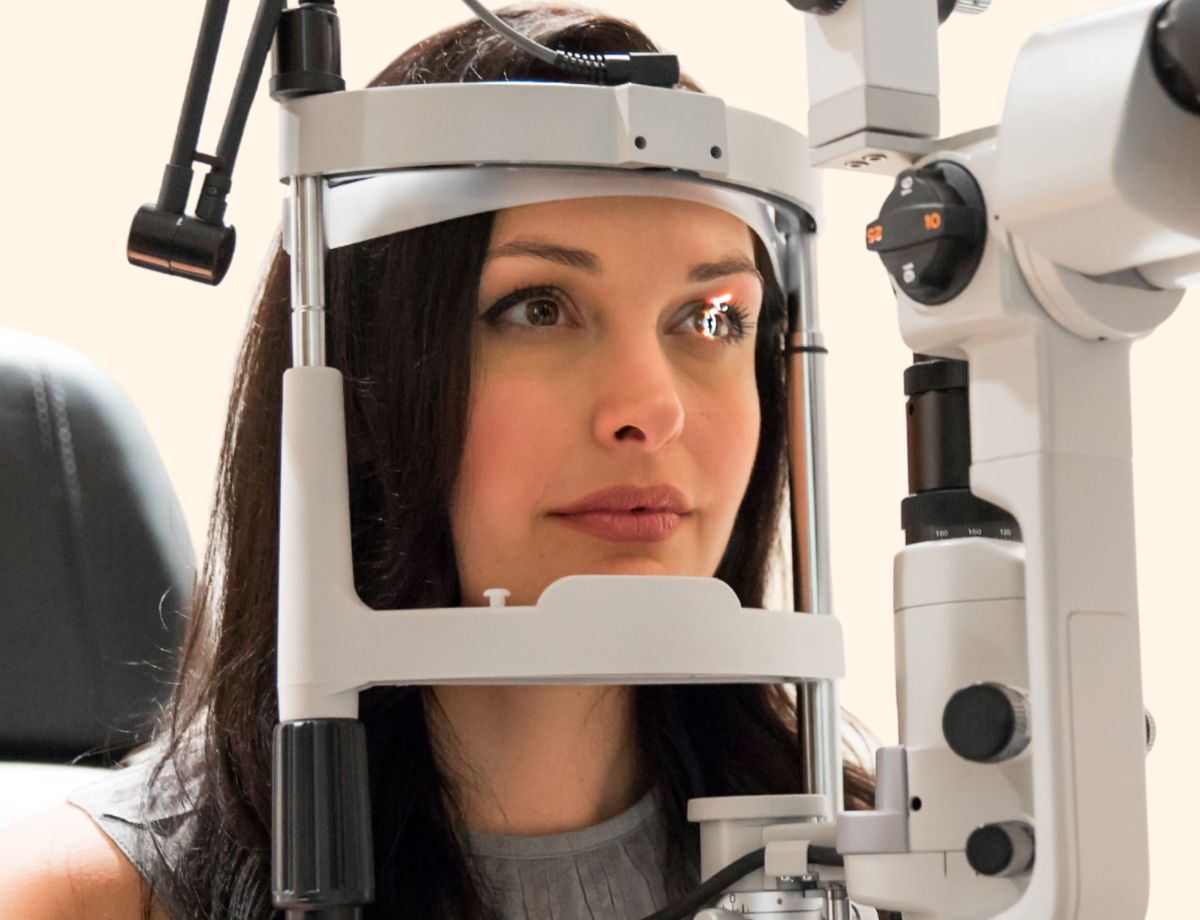
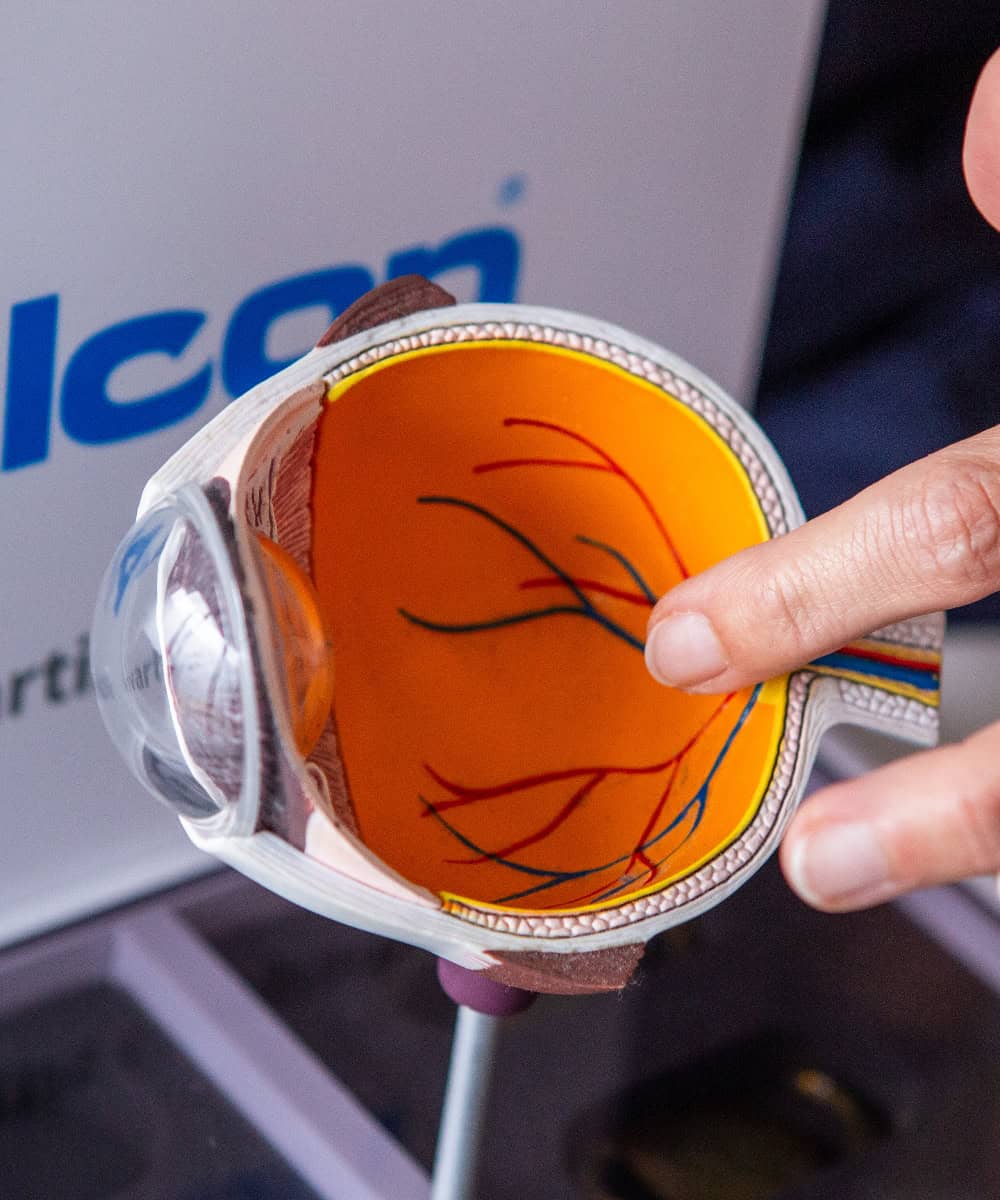
Retinal treatments require exceptional precision and state-of-the-art equipment. All procedures at our clinic are performed according to safe, international protocols, led by experienced retina specialists.
Focus on safety
Security guarantees
Modern technology and medical experience together ensure that retinal treatments are performed with the greatest possible safety and effectiveness.
- Treatments are performed by experienced retina specialists
- Sterile surgical environment, strict hygiene standards
- Modern diagnostic background for precise planning
- Regular check-ups for long-term safety
- Personalized treatment protocols


Modern technology and medical experience together ensure that retinal treatments are performed with the greatest possible safety and effectiveness at Saint James Clinic.
Prices of retinal examinations and treatments
The cost of retinal treatments and examinations varies depending on the procedure chosen. At our clinic, care is always provided with modern equipment, experienced specialists, and in a safe environment.
Diagnostic tests
General eye examination + OCT
45.000 Ft
Ophthalmic ultrasound examination
15.000 Ft
Gonioscopy, three-mirror examination, retinal examination with contact biomicroscopy
15.000 Ft
Retina treatments
Retina laser treatment
80,000 HUF / eye
Nd:YAG laser treatment (iridectomy, capsulotomy)
HUF 60,000 / eye
Intravitreal injection (excluding the cost of the medication)
HUF 60,000 / eye
Intravitreal injection (including the cost of the medication)
HUF 120,000 - 140,000 / eye
Follow-up examinations
Control examination (after free examinations after surgery)
15.000 Ft
About us
Our retina specialists and experienced ophthalmologists
Retinal treatments are performed at Saint James Clinic by highly experienced ophthalmologists, including several retina specialists.
The safety of our patients is ensured by modern diagnostic tools, precise procedures and personalized care. Treatments are always carried out after a specialist consultation, with detailed information and continuous follow-up.


Dr. Kristóf Perényi, chief physician and clinic director
An ophthalmologist who graduated from Semmelweis University and runs the clinic based on domestic and international experience. During his training abroad, he mastered the most modern laser vision correction techniques.
Its mission is to provide a safe, natural vision experience to all its patients.
Security and support throughout the entire process
Our doctors' goal is to stop vision deterioration in time and preserve our patients' quality of everyday life for as long as possible.
Questions and answers
Frequently asked questions about retinal treatments
Many patients have similar questions about retinal treatments. We have gathered the most important information so that you can arrive for your examination or treatment calmly and informed.
Do I need a referral for retinal examination or treatment?
It is not necessary, you can book an appointment directly at our clinic.
Is retinal laser treatment or injection painful?
We use anesthetic eye drops before the procedures, so most patients experience only mild discomfort and no pain.
How long does the treatment last?
Most laser or injection treatments take a few minutes, and the entire examination should take about 30–60 minutes to complete.
What side effects can I expect?
Temporary blurred vision, sensitivity to light, or small spots may occur, but these usually subside within a few days.
How many times should the treatment be repeated?
This always depends on the condition of the eye. In some cases, a single procedure is sufficient, while in other cases, several sessions may be required for long-term results.
Will my vision improve after treatment?
The goal is primarily to stop the deterioration and stabilize vision. In many cases, improvement is also possible, but to a different extent for everyone.
Can I work or drive after treatment?
Temporary blurred vision may occur as a result of the dilation of the pupils and the treatment, so it is recommended to arrive with a companion and not drive for the rest of the day.
Are these treatments safe?
Yes, at our clinic we use only modern, CE and FDA-certified devices and medications in a sterile environment.
How much does retinal treatment cost?
The price depends on the type of treatment (laser, injection, control). You can find our detailed price list in the "Prices and financing" section.
How often should I go for a check-up?
Usually every six months to a year, but the treating physician always gives a personalized, precise recommendation.
Book an appointment
Take the first step to preserving your vision with us.
The first and most important step in retinal treatments is a detailed, painless eye examination. This will show exactly what lesion is behind the complaints and which therapy provides the best chance of preserving vision.
Online appointment booking for retinal examination
Complete an online suitability assessment
We provide the opportunity to complete an online suitability test, during which you can find out which type of treatment is the most ideal choice for you.
The test will take no more than 5 minutes to complete.
- Bécsi út 68-84, 1034 Budapest
- recepcio@stjameshospital.hu
- +36 1 788 2927
Contact
Location and access to Saint James Vision and Aesthetics Center
Saint James Vision and Aesthetics Center is located at 1034 Budapest, Bécsi Street 68-84. You can find it in an easily accessible location.
Whether you are coming from Budapest or from another part of the country, we welcome you in a discreet and premium environment, in comfortable and relaxed conditions.
Access and parking:
- Private parking in the clinic's underground garage (prior arrangement required, parking is subject to a fee)
- Easily accessible by public transport (bus and tram stops nearby)
- We provide detailed guidance and travel assistance for those arriving from outside the city.